Hansel and Gretel: A Fairy Tale on a Grand Operatic Scale
By Richard Russell, Artistic & General Director
When Engelbert Humperdinck’s Hansel and Gretel appears on an opera season, it is sometimes assumed to be a work intended primarily for children. The association with the Grimm Brothers fairy tale can obscure the fact that this opera is one of the most musically sophisticated and richly orchestrated works regularly performed in the repertoire. While the story is certainly family friendly, the score is anything but childlike.
From its first measures, Hansel and Gretel reveals a lush, expansive musical world. The orchestra is large and opulent, and Humperdinck makes full use of its expressive power. Extended orchestral interludes are so fully developed that they function almost as an additional character, deepening the emotional and dramatic landscape of the opera. This is music written on a symphonic scale, demanding both technical precision and interpretive depth.
The opera’s stature was recognized immediately at its premiere in Berlin, which was conducted by Richard Strauss, a close friend and admirer of Humperdinck. Gustav Mahler led the Vienna premiere, and Arturo Toscanini later conducted performances during his tenure at La Scala. Such champions are not incidental footnotes; they signal the seriousness with which the work was regarded by the leading musical minds of its time.
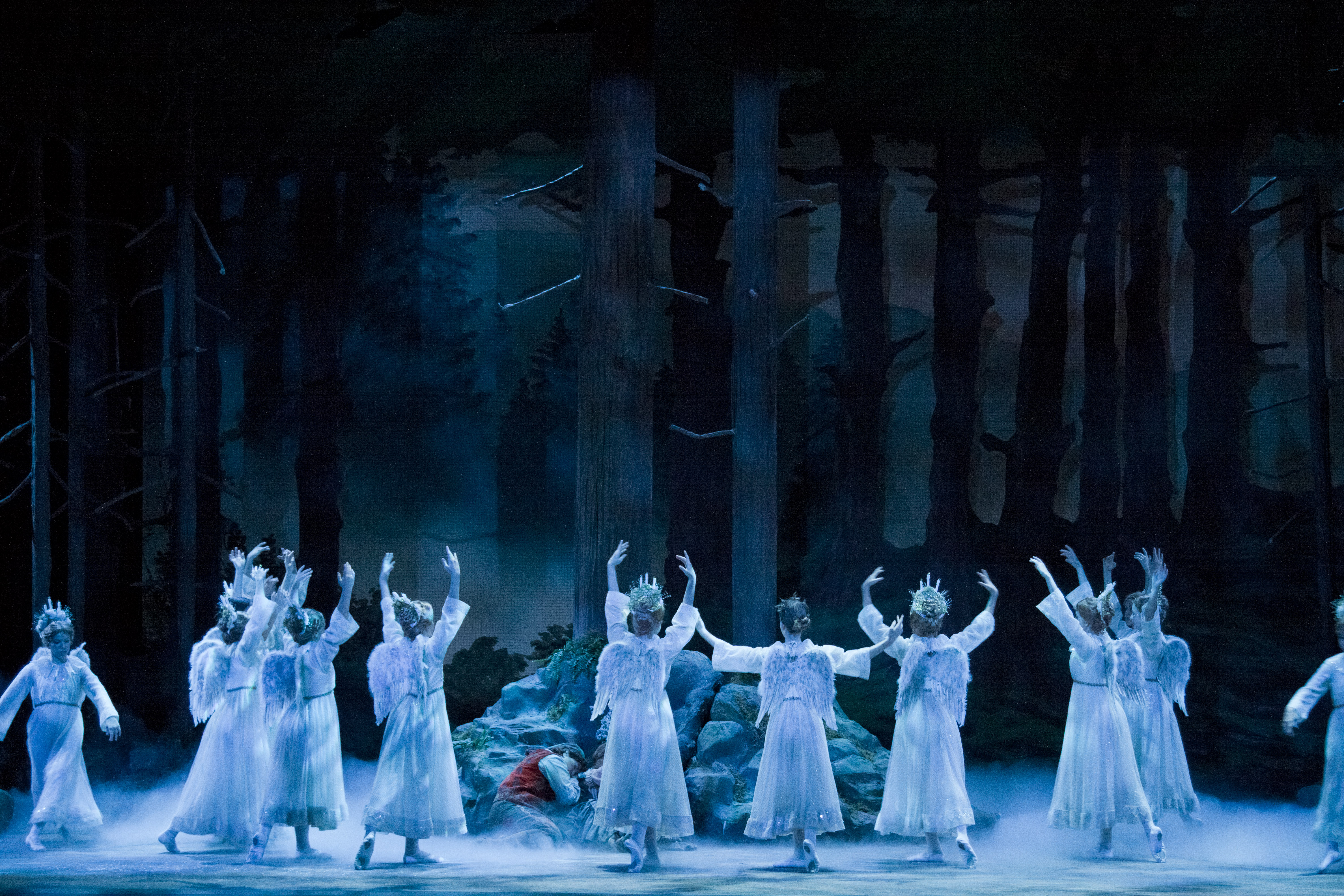
Humperdinck’s own musical pedigree further explains the opera’s richness. Although his parents hoped he would pursue architecture, he studied composition with Ferdinand Hiller and Franz Lachner before encountering Richard Wagner in Italy. Wagner was so impressed by the young composer that he invited Humperdinck to assist with the first production of Parsifal at Bayreuth and to tutor his son Siegfried. Immersion in Wagner’s musical language left a clear imprint on Humperdinck’s style.
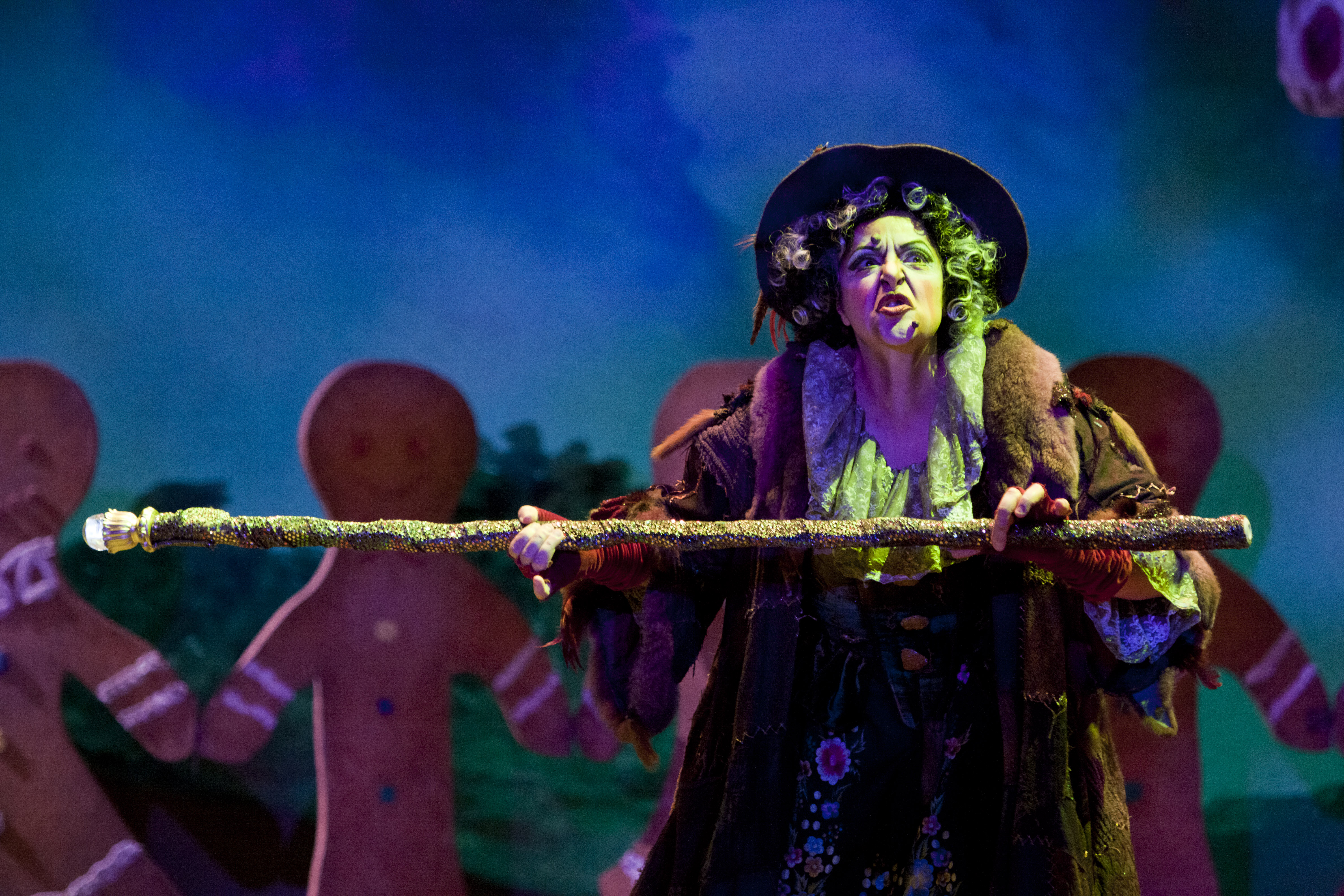
In Hansel and Gretel, Humperdinck blends this Wagnerian influence with melodies inspired by folk song, creating a sound world that is both immediately accessible and harmonically complex. The orchestration is often contrapuntal, with melodic lines weaving in and out of one another, producing a dense and glowing texture. Wagner’s presence is especially evident in the orchestral interludes, most notably The Witch’s Ride between Acts I and II, whose surging energy and vivid orchestral color unmistakably recall The Ride of the Valkyries. Here, the orchestra vividly depicts the witch’s wild flight through the forest, rising to an exhilarating, almost overwhelming intensity.
At the same time, the opera remains a masterful piece of storytelling. Folk-like melodies lend directness and warmth to the interactions between characters, grounding the drama emotionally. The overture, which introduces many of the opera’s principal themes, sets the tone from the outset. Though Hansel and Gretel face poverty, hunger, loneliness, and danger, the music assures us that this is a fairy tale in the deepest sense—one that ultimately leads to safety, joy, and wonder.
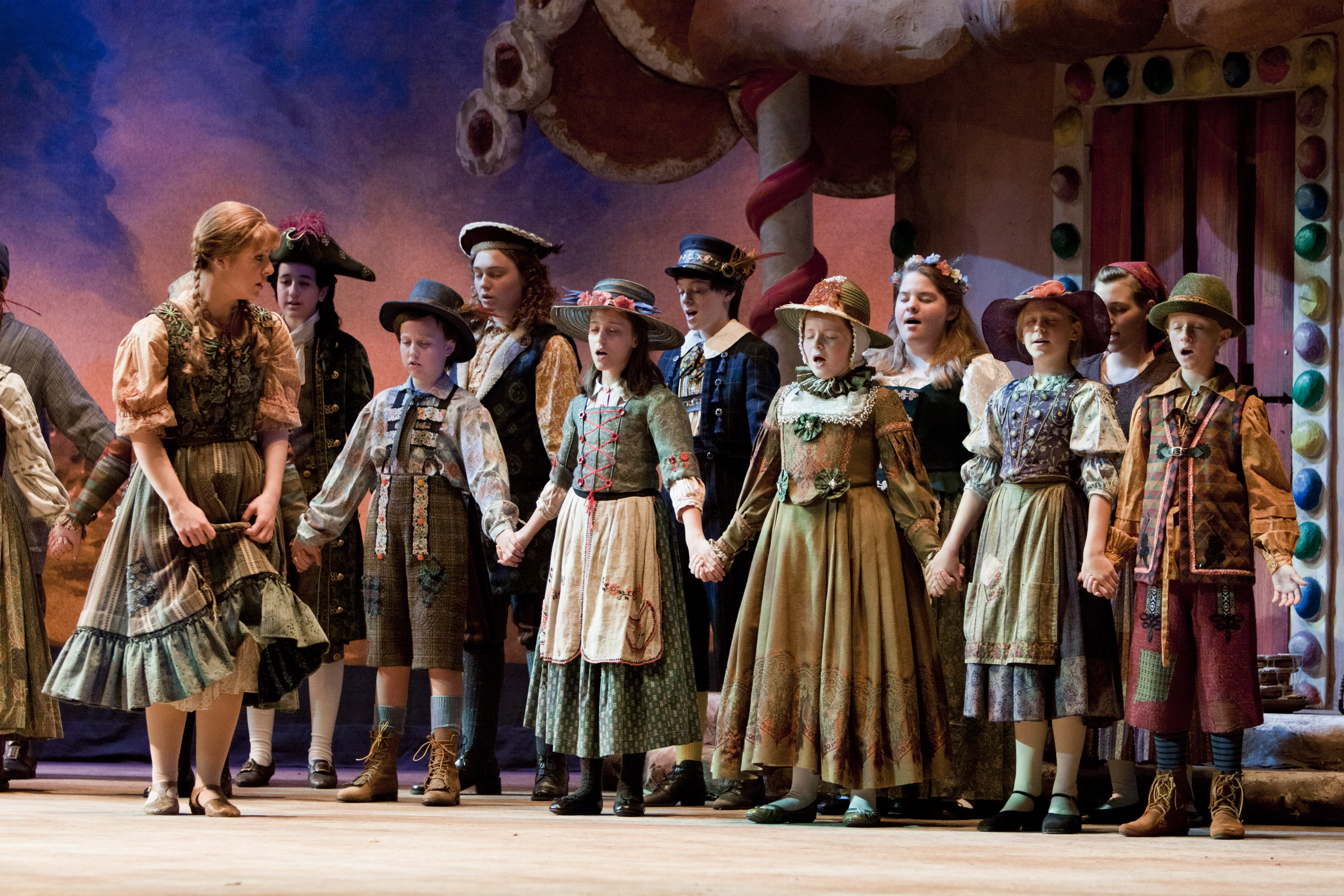
When Hansel and Gretel was first performed at the Metropolitan Opera in 1905, New York Times critic Richard Aldrich wondered how audiences would respond to “this gay little children’s tale elaborated musically with all the resources of the Wagnerian method and orchestra.” He quickly answered his own question, concluding that the opera revealed “an achievement of the highest talent and skill,” and that there seemed to be no one in the house untouched by its beauty and delight.
More than a century later, Aldrich’s observation still rings true. Hansel and Gretel is an opera of remarkable craft, emotional depth, and orchestral brilliance—one that speaks to audiences of all ages and rewards serious listening. We hope that Sarasota Opera’s production will allow listeners to rediscover this beloved work not merely as a fairy tale, but as the profound and enchanting operatic experience it truly is.