LA TRAVIATA BACKGROUND NOTES
Following the hugely successful world premiere of Rigoletto in 1851, the 38-year-old Giuseppe Verdi was the undisputed king of Italy's operatic world. The demand for his new works continued, and the last three months of 1852 saw Verdi preparing the scores of two very different operas. The first, Il trovatore (The Troubadour), was slated for production in Rome in January 1853. Set in early 15th century Spain, the work's plot embraced civil war, suspected witchcraft, and long-lost brothers. The second, La traviata (The Woman Gone Astray), was very far removed from the world of Il trovatore.
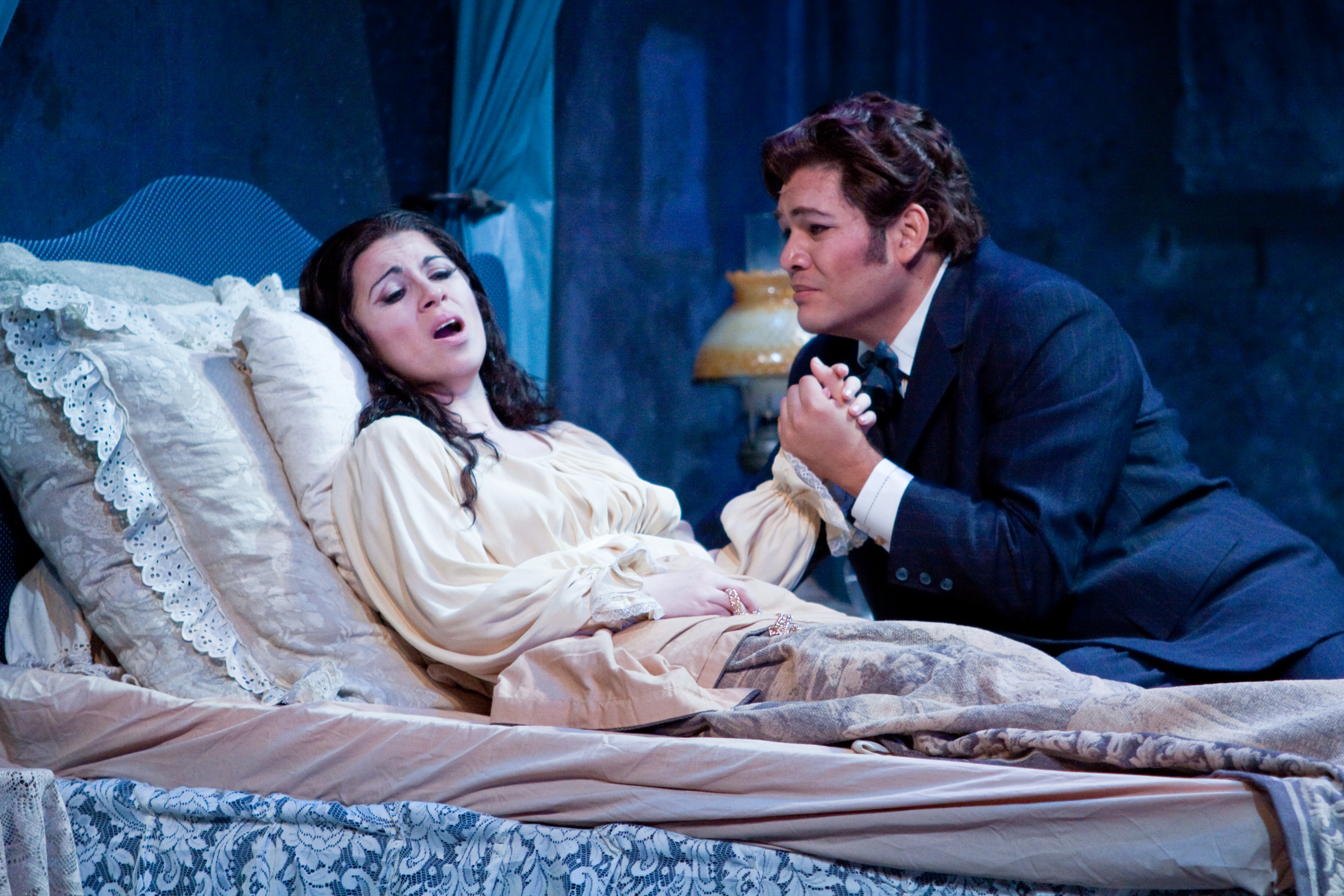
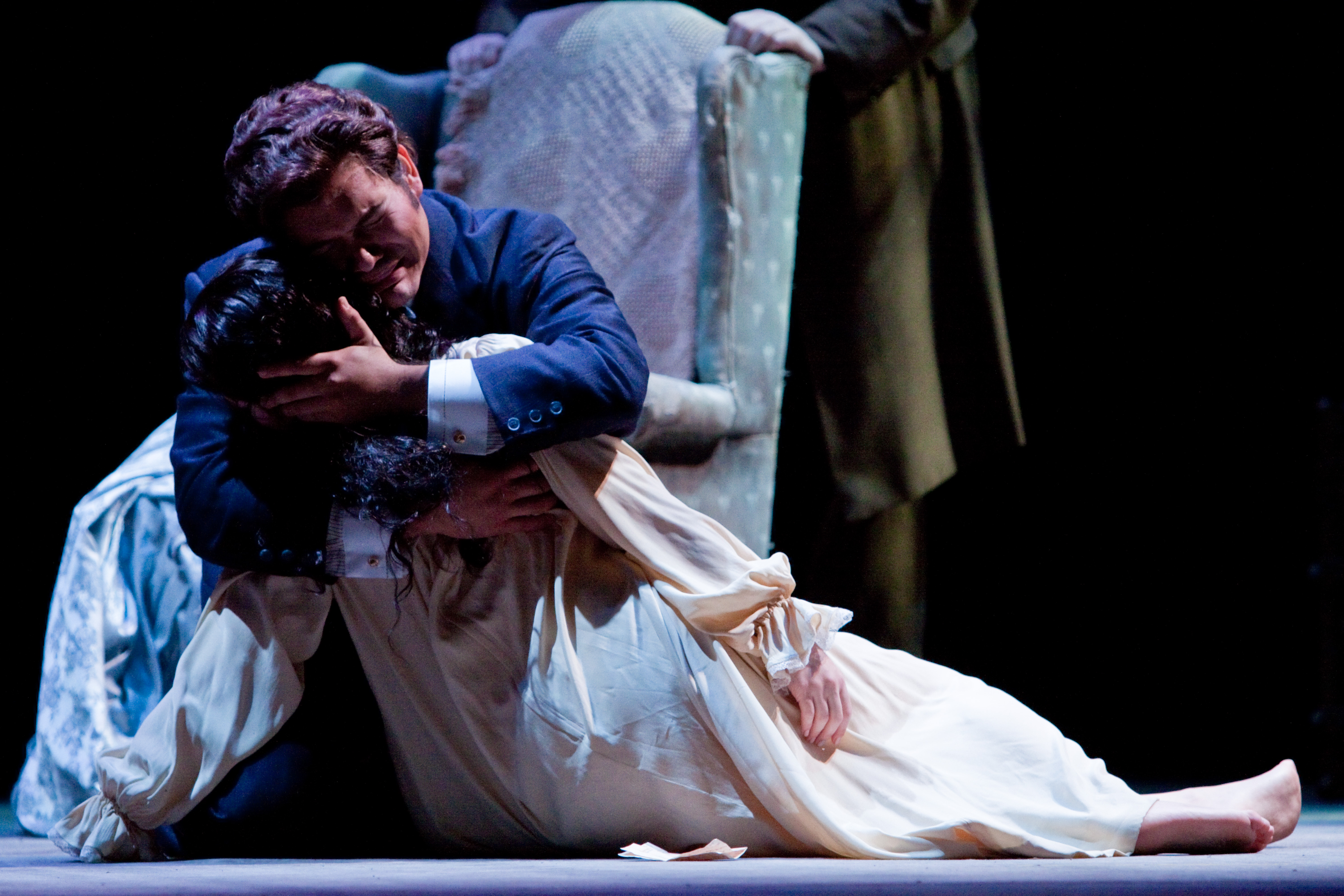
Verdi considered basing a work on the play La Dame aux camélias (The Lady of the Camellias) only six months before the opera's premiere in March 1853 at Venice's Teatro la Fenice. This decision meant the poet Francesco Maria Piave had to discard a libretto on another subject that he had been expecting the composer to use. Verdi's new choice for his opera was innovative and daring. Based closely on the play by Alexandre Dumas, fils, it was a sympathetic story about a Parisian demimondaine (a woman kept by her wealthy lovers) who dies of tuberculosis. No character like Violetta Valery had ever appeared on the operatic stage. A paid-for lover like Manon Lescaut (in treatments by Auber, Massenet, and Puccini) and consumptive heroines like Mimì in La bohème and Antonia in Les Contes d 'Hoffmann were yet to be created. Moreover, La traviata was a story set in the present, having been based on the life of Marie DuPlessis (born Alphonsine Plessis) who had died just a few years earlier. One of the most celebrated demimondaines of her day, DuPlessis had been a lover of Dumas. Before La traviata, only one other of Verdi's operas took place in a near contemporary time. This was Stiffelio, which premiered in 1850 and whose action took place in the earlier part of the nineteenth century.
The Venetian censors approved the outline for the opera, wanting only that the proposed title Amore e morte (Love and Death) be changed. Soon, though, the management of La Fenice itself insisted on altering the date of the action. Verdi wanted to maintain the opera's contemporary setting but ultimately bent to the management's demand. Various suggestions were made for a new time period including the era of Cardinal Richelieu in the first half of the 1600s. Finally, the action was set to take place circa 1700.
The opening performance of La traviata was a fiasco. In a letter Verdi described how the audience laughed, finding the vocalism of the soloists inadequate. Other theaters were willing to give La traviata a second production, but Verdi did not want to take this risk unless he could get a suitable cast. It was on May 6, 1854, that La traviata was next performed; again, in Venice, but this time at the Teatro San Benedetto. The opera was a triumph.
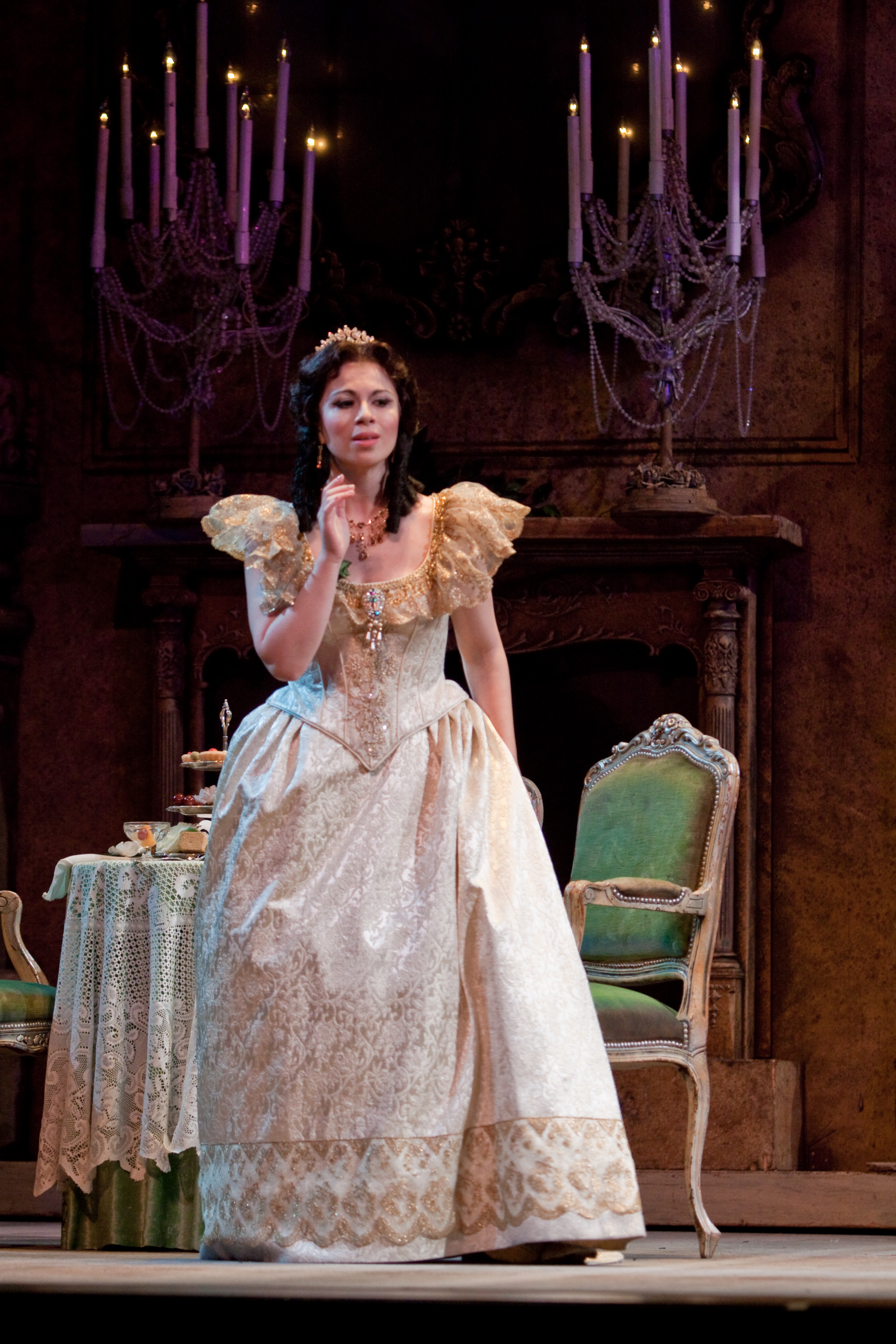
Verdi stated that, except for a few minor adjustments made to accommodate the new cast, he had not changed a single musical idea in La traviata for the second production. This is not the case. Though Act I remained the same, the composer did rewrite sections of the other acts. These include changes in the Violetta-Germont duet in the first scene of Act Il, as well as in the finales of both Act II and Act III.
After its second production, La traviata traveled to many cities, but its subject matter made it controversial. The censors in Naples and the Papal States butchered the opera's text; in England, a major critic spoke of its "foul and hideous horrors.” It was supposed to be the first opera presented at the brand-new Brooklyn Academy of Music on January 22, 1861 at a performance attended by Mrs. Abraham Lincoln, but members of the public found La traviata morally objectionable. It was banned and the opera Il giuramento (The Oath) by Neapolitan composer Saverio Mercadante was substituted. Nonetheless, audiences around the world finally embraced La traviata as being one of Verdi's most moving and intimate music dramas. The composer would continue his career with a work as different from La traviata as La traviata had been from Il trovatore; the five-act French grand opera, Les Vepres siciliennes.