ROOTABAGA COUNTRY BACKGROUND NOTES
About Rootabaga Country, By Rachel J. Peters
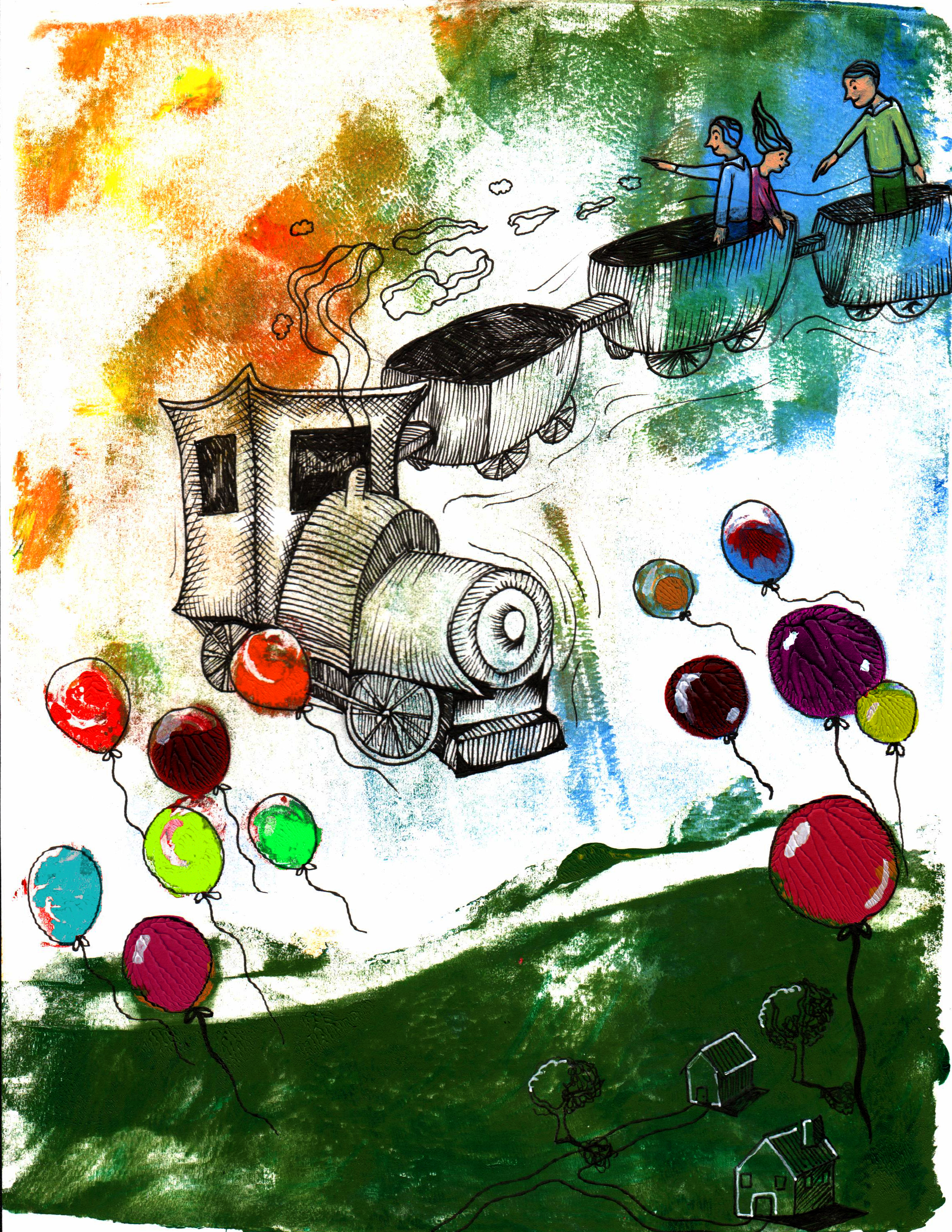
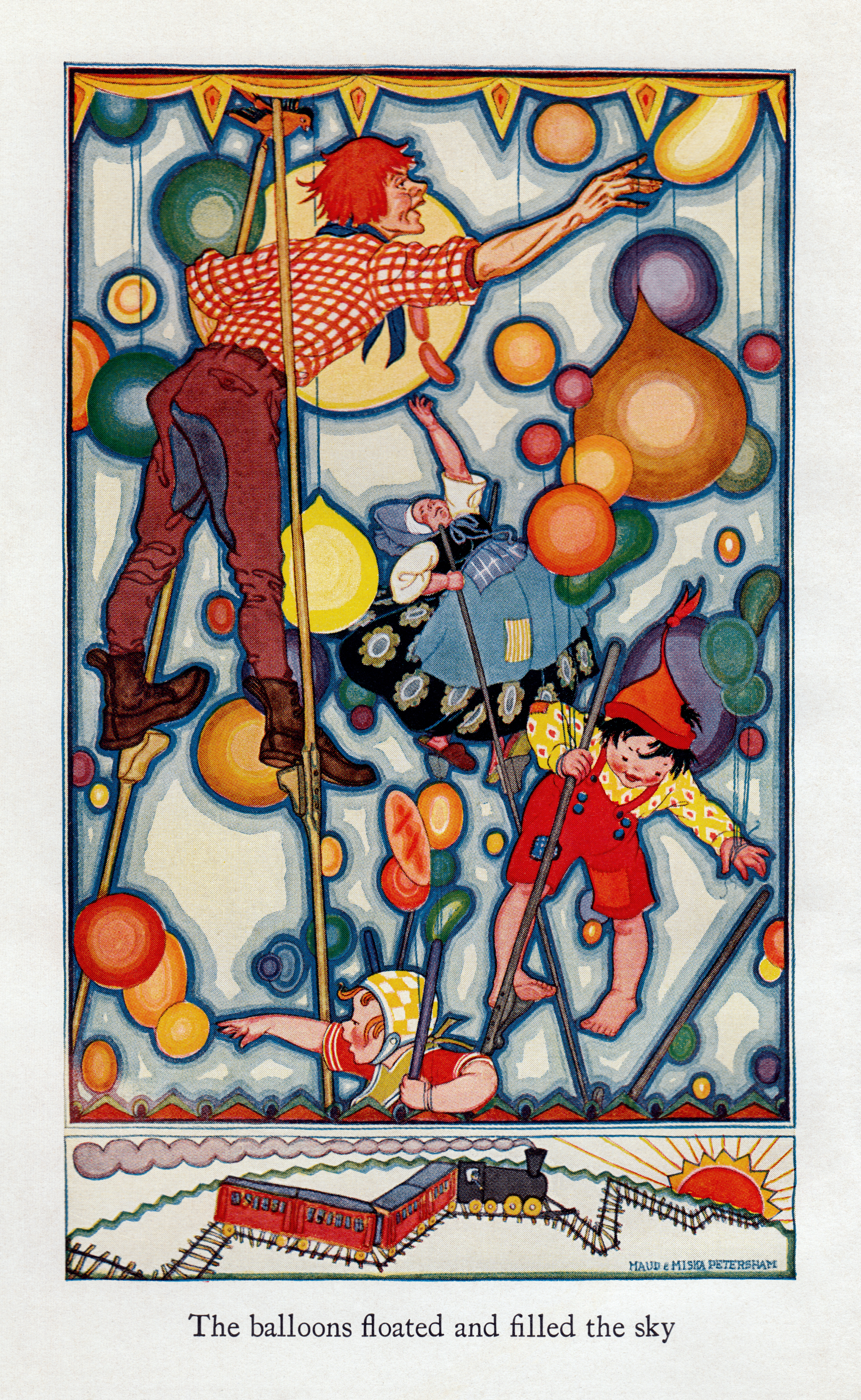
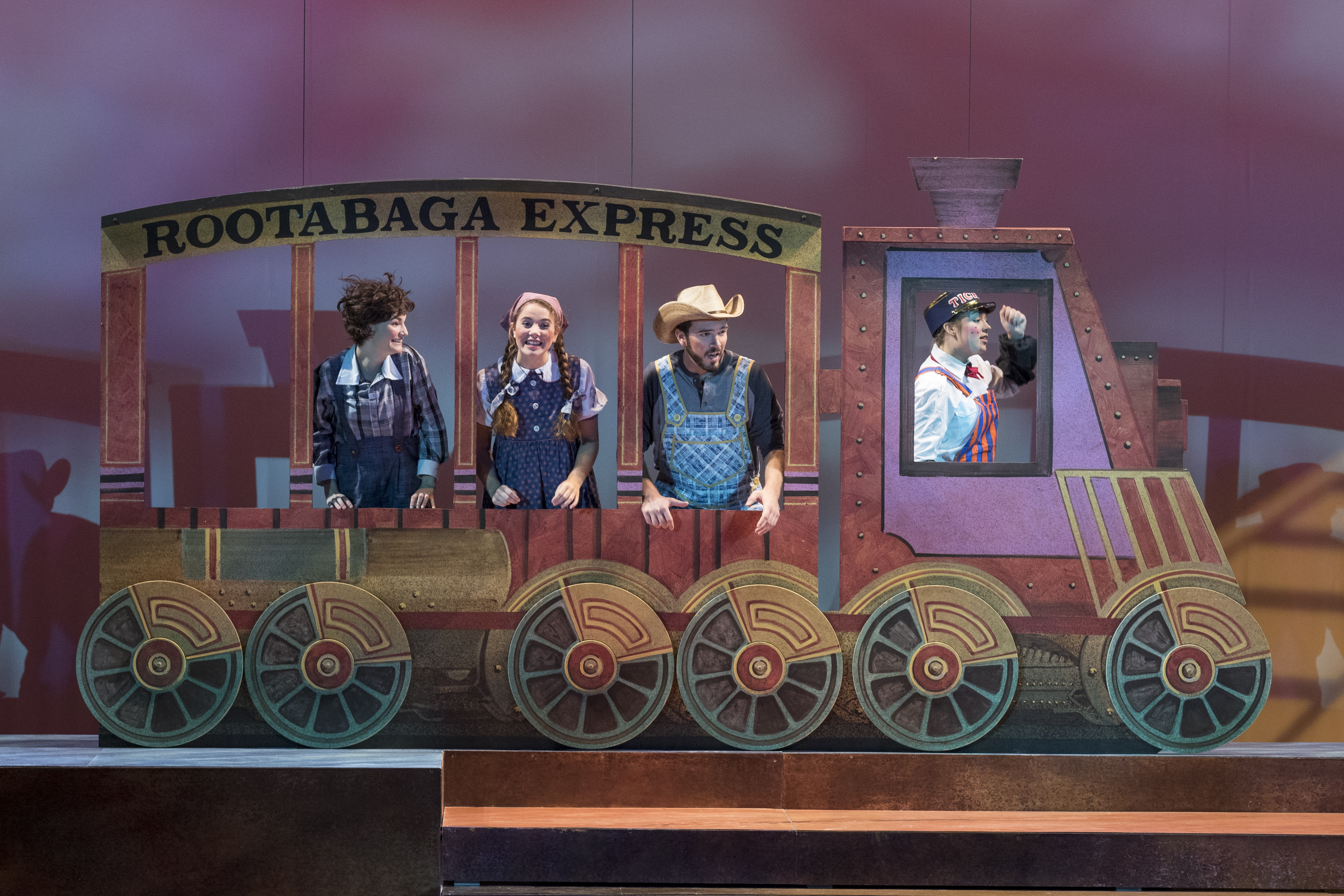
Since my middle school days in Missouri, I have felt a kindred spirit in Carl Sandburg's writing. With Rootabaga Stories, he struck an uncanny balance of silliness and profundity, resulting in a tone and landscape like nothing 1 have witnessed yet in the youth opera repertoire. The delightfully odd characters and their shenanigans comprise a world that feels familiar yet reaches far beyond our everyday experience. From the Potato Face Blind Man's accordion-accompanied life lessons to Henry
Hagglyhoagly's frozen guitar serenade, so much music already lives in these tales that it is impossible not to imagine it while reading them. I can think of no better vehicle than opera to introduce this uniquely American literary master and folk hero to a new generation.
Sandburg did not create a mother for the children in his book, which led me to think about unofficial families. If we are lucky enough to share a connection with anyone, then we probably have them. Beyond blood relations, my own unofficial family of friends and colleagues has transformed my life in ways 1 never thought possible. At a time when just being a kid trying to grow up is more confusing than ever before, whether or not our Alelias are there with us, it is vital to remember that family truly is 'anybody rooting for each other/when the world is cattywompus'. This opera is dedicated to official and unofficial families everywhere. I humbly thank everyone at Sarasota Opera for bringing it to life so magically.
Rachel J. Peters, Composer and Librettist
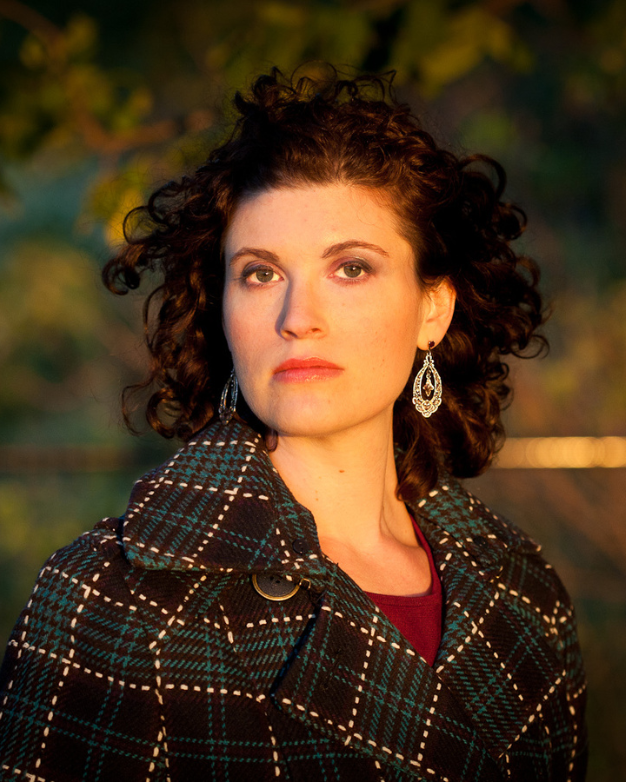
Composer/librettist Rachel J. Peters (she/her, b. 1977) writes all manner of works for the stage. Her operas include Lesson Plan (On Site Opera/Caramoor), Companionship (Virginia Arts Festival, Fort Worth Opera), Rootabaga Country (Sarasota Opera, Seattle Opera), Sketchbook for Ollie (Lyric Opera of Kansas City);The Wild Beast of the Bungalow (Oberlin Conservatory) and Three Amputators with Royce Vavrek (Arctic Chamber Music Festival); No Ladies in the Lady’s Book (Utah Opera), Staggerwing (Opera Kansas), and Men I’m Not Married To (Cleveland Opera Theater) with Lisa DeSpain; Steve (Boston Opera Collaborative), Everything Comes to a Head with Margi Preus and Jean Sramek (Decameron Opera Coalition), Pie, Pith, and Palette with Marvin J. Carlton (The Atlanta Opera), and Welcome to the Madness (complete with live horses) with Leanna Kirchoff (Opera Steamboat). Operas written with Ms. DeSpain are published by E.C. Schirmer.
Rachel’s musicals include Only Children with Michael R. Jackson (NYU Tisch, Lincoln Center Directors Lab), Tiny Feats of Cowardice with Susan Bernfield (NYC Fringe Festival), Write Left with John Walch (Playwrights Horizons Theatre School), Tomato Red (UC Irvine), and Octopus Heart (NYU Steinhardt). Scores for plays include the critically acclaimed Stretch (a fantasia) (New Georges) and Tania in the Getaway Van (Flea Theater) by Susan Bernfield, Transatlantic by John Walch (Arkansas Rep), The Bacchae (Asolo Rep Conservatory), and several works by Stan Richardson. At the Princeton Lewis Center for the Arts Atelier, she recently began The Year That Never Was: A Trash Day Special with Mr. Jackson.
Concert works include Ethel Smyth Plays Golf in Limbo (Semperoper Dresden, Resonance Works Pittsburgh), If You Can Prove That I Should Set You Free (Albany Symphony), Jack's Vocabulary (Hartt SPASM), I Live Here (Galapagos Art Space), Canon I (Two Sides Sounding), and Fronds: The Wisdom of Fanny Fern (Walt Whitman Project). Rachel’s extensive catalogue of songs has been performed at Lincoln Center, Second Stage, National Opera Center, Symphony Space, New York Festival of Song, National Sawdust, Ars Nova, Joe's Pub, and cabarets and theatres nationwide. She has written specialty material for Broadway luminaries Zachary James, John-Andrew Morrison, Mary Testa, and Lauren Worsham. Rachel contributed to the new generation of The AIDS Quilt Songbook and My Brother’s Keeper on NYFOS Records.
Rachel has held residencies at Kimmel Harding Nelson Center for the Arts, Yaddo, Brush Creek Arts, Millay Arts, and Soaring Gardens. She has received Anna Sosenko Assist Trust and multiple ASCAPlus awards as well as an OPERA America Female Composers Discovery Grant for Manor of Speaking…with Kevin Thomas Townley, Jr., the first wholly original work for Stephanie Blythe’s alter ego, Blythely Oratonio. Rachel is a proud alumna of New Dramatists Composer-Librettist Studio, The American Opera Project, and the John Duffy Institute for New Opera. She holds a double B.A. summa cum laude from Brandeis University and an MFA from New York University’s Graduate Musical Theatre Writing Program. She serves on committees for the Dramatists Guild and National Opera Association, and she was part of the first Jewish Composers Working Group of Asylum Arts/The Neighborhood.
Rachel originally hails from St. Louis, Missouri, where she grew up singing in children’s choruses at the MUNY, St. Louis Symphony Orchestra, and Opera Theatre of Saint Louis. She has called New York City home since the night of the 2003 blackout.
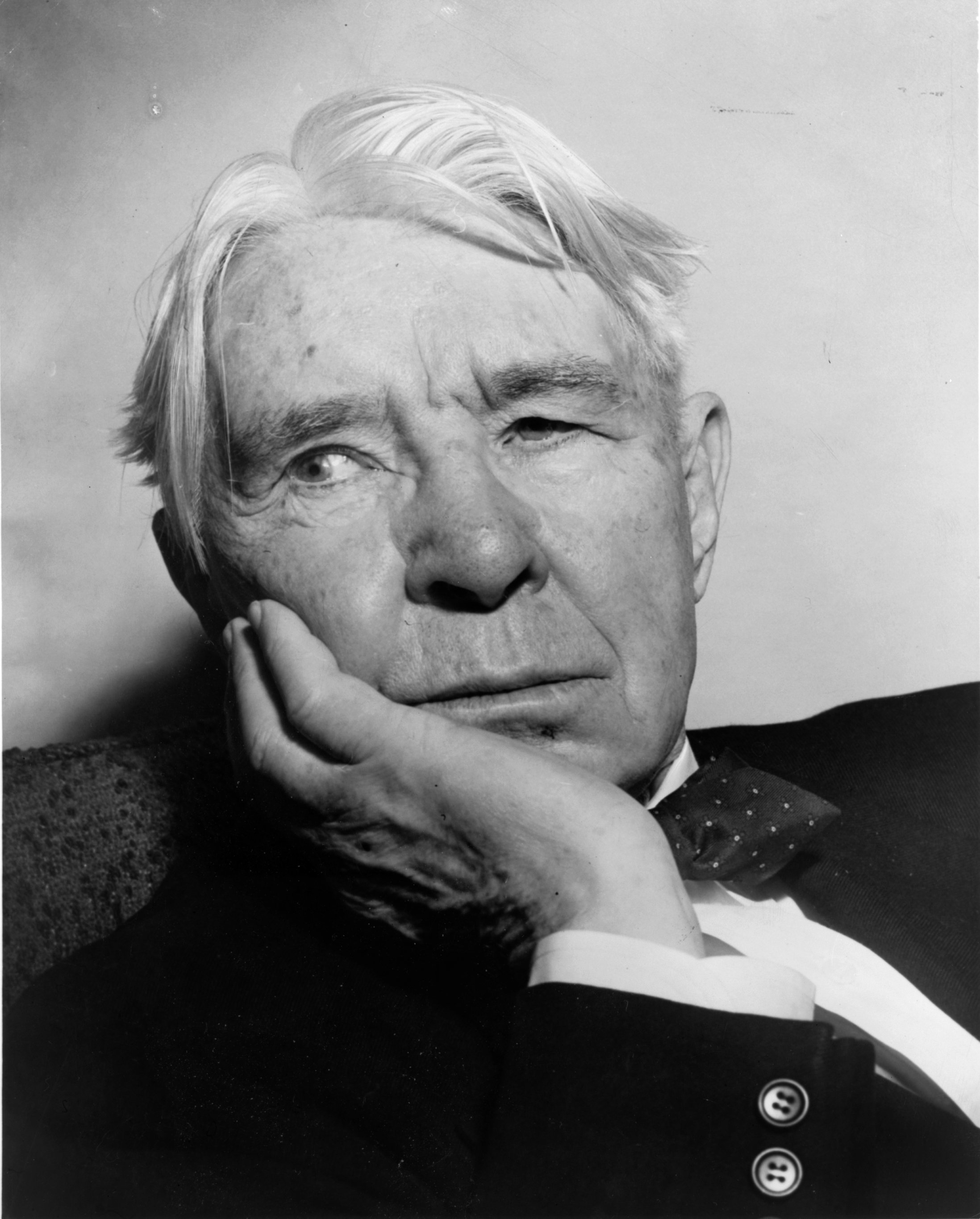
Carl Sandburg, Author
Author-poet Carl Sandburg was born the second of seven children on January 6, 1878 to Swedish immigrants August and Clara. He quit school following his graduation from eighth grade and spent a decade working a variety of jobs – barbershop porter, milk truck driver, brickyard hand, and a harvester in the Kansas wheat fields - before traveling as a hobo in 1897.
When the Spanish-American War broke out in 1898 Sandburg volunteered for service and at the age of twenty was ordered to Puerto Rico. Upon his return to his hometown of Galesburg, Illinois, he entered Lombard College while supporting himself as an on-call fireman. As the first decade of the century wore on, he grew increasingly concerned with the plight of the American worker. In 1907 he served as an organizer for the Wisconsin Social Democratic Party during which he met Lilian Steichen, whom he married in 1908.
Sandburg was virtually unknown in 1914 when a group of his poems appeared in Poetry magazine. Two years later his book Chicago Poems was published, and the thirty-eight-year-old author found himself on the brink of a career that would bring him international acclaim. More works followed including Rootabaga Stories (1922), a book of fanciful children’s tales, his two-volume Abraham Lincoln: The Prairie Years, and his four-volume Abraham Licoln: The War Years, for which he won the Pulitzer Prize in 1940. He received a second Pulitzer Prize in 1951for Complete Poems.
Carl Sandburg died at his North Carolina home July 22, 1967.